


 BCAA Connect
 BCAA BLOG
 TRIP PLANNING
 ABOUT BCAA
 CONTACT US
 Join Email List


Think you’re ready for fall driving conditions?
Many drivers wait until the first cold snap to think about seasonal maintenance, but a little preparation now can help prevent headaches later. Tires, batteries, brakes and visibility all play an important role in keeping you moving safely throughout the year.
Take our quick quiz to see if you're ready for the season ahead.
1. At what temperature do winter tires start outperforming all-season tires?
a. 15°C
b. 10°C
c. 7°C
d. 0°C
Answer: C
Winter tires work better when temperatures drop below 7°C. Their rubber stays soft in cold weather, helping your vehicle grip the road, stop more safely and stay in control. Many all-season tires have an M+S (Mud and Snow) label, but they are not the same as winter tires. While they can handle light snow better than summer tires, they are not tested to the same winter standards. For the best traction and control in cold, snowy or icy conditions, dedicated winter tires are the safer choice.
2.How often should you check your tire pressure during the colder months?
a. Once per year
b. Only before a road trip
c. At least once a month
d. Only when the tire pressure light comes on
Answer: C
You should check your tire pressure at least once a month and whenever there is a big drop in temperature. Cold weather can cause tire pressure to decrease, which can affect handling, braking, fuel efficiency and tire wear.
3. What fall and winter maintenance item is most overlooked by drivers?
a. Engine oil
b. Windshield wiper blades and washer fluid
c. Fuel level
d. Floor mats
Answer: B
Don’t forget about your windshield wiper blades and washer fluid in the winter. Worn wiper blades can leave streaks or struggle to clear rain and snow, while summer washer fluid may freeze in cold temperatures. Keeping both in good condition helps you stay safe by maintaining clear visibility.
4. What is one sign your battery may struggle this fall and winter?
a. Squeaky brakes
b. Slow engine cranking when starting
c. Increased fuel economy
d. A clean windshield
Answer: B
A common warning sign is slow engine cranking when you start your vehicle. Cold temperatures put extra strain on batteries and can reduce their power. If your vehicle takes longer than usual to start, it may be time to have your battery tested.
5. Besides tires, what vehicle component plays the biggest role in stopping safely?
a. Air conditioning system
b. Suspension springs
c. Brakes
d. Headlights
Answer: C
Even with quality winter tires, worn brake pads, damaged rotors or low brake fluid can affect stopping performance. Regular brake inspections can help keep the vehicle safe and reliable throughout the winter season.
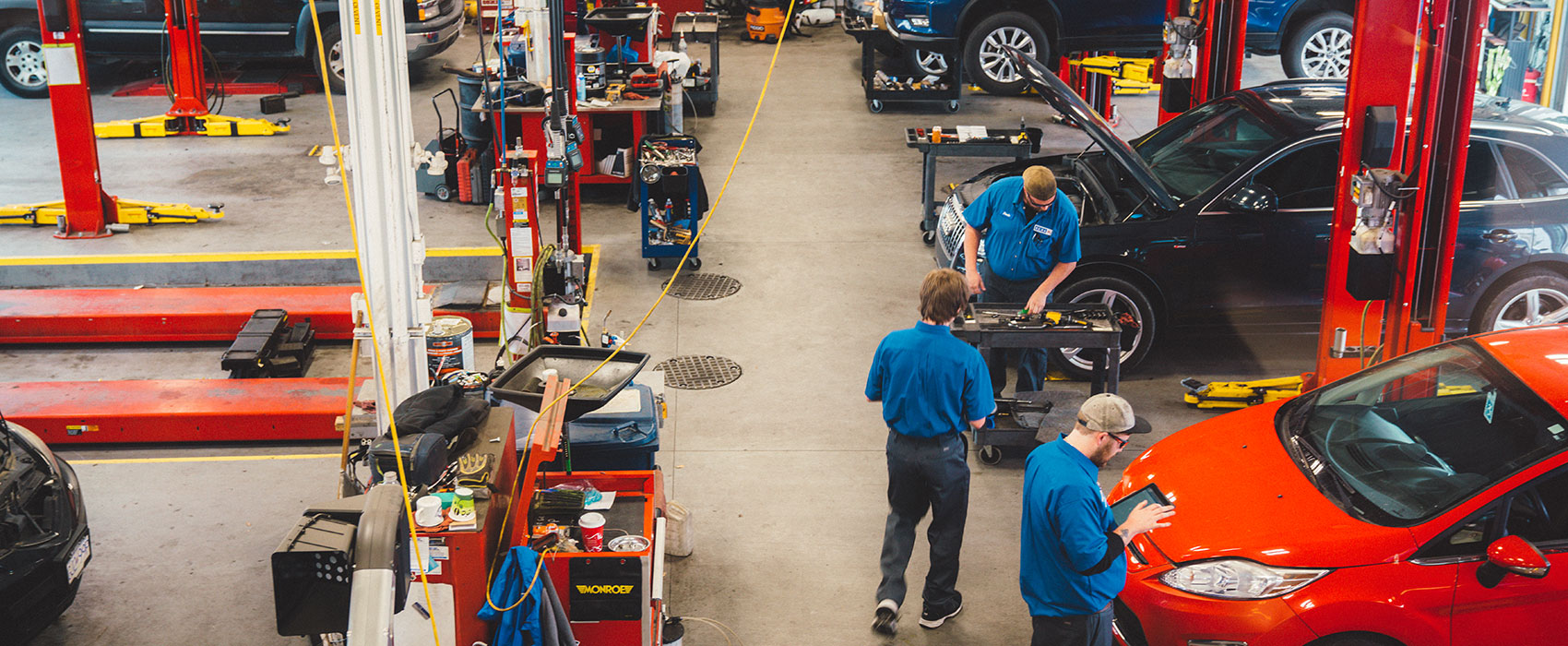
Whether you aced the quiz or discovered a few maintenance items to add to your checklist, early fall is a great time to get ahead of seasonal vehicle care. From tires and brakes to batteries and wiper blades, a little preparation now can help keep you safe on the road and ready for changing conditions in the months ahead.
BCAA Auto Service Centres can help with everything from tire installations and inspections to battery testing and routine maintenance. Plus, BCAA Members receive 5% off tires, 10% off labour on select repairs and a complimentary car wash with every appointment. Book your appointment today and drive into the season with confidence. Not a BCAA Member yet? Join today!

 REQUEST SERVICE ONLINE
 Your BCAA Membership card number
 Your current location