


 BCAA Connect
 BCAA BLOG
 TRIP PLANNING
 ABOUT BCAA
 CONTACT US
 Join Email List


Fireplace safety tips every homeowner should know
10/27/2025On a chilly BC night, a warm fire can make your home feel extra cozy, whether it’s a wood-burning hearth in your mountain cabin or a gas fireplace insert in your city living room. Fireplaces bring years of comfort but also risks if they’re not properly maintained. Here’s how to enjoy that warmth safely and protect your home from smoke, fire and carbon monoxide hazards.
Schedule your annual inspection and cleaning
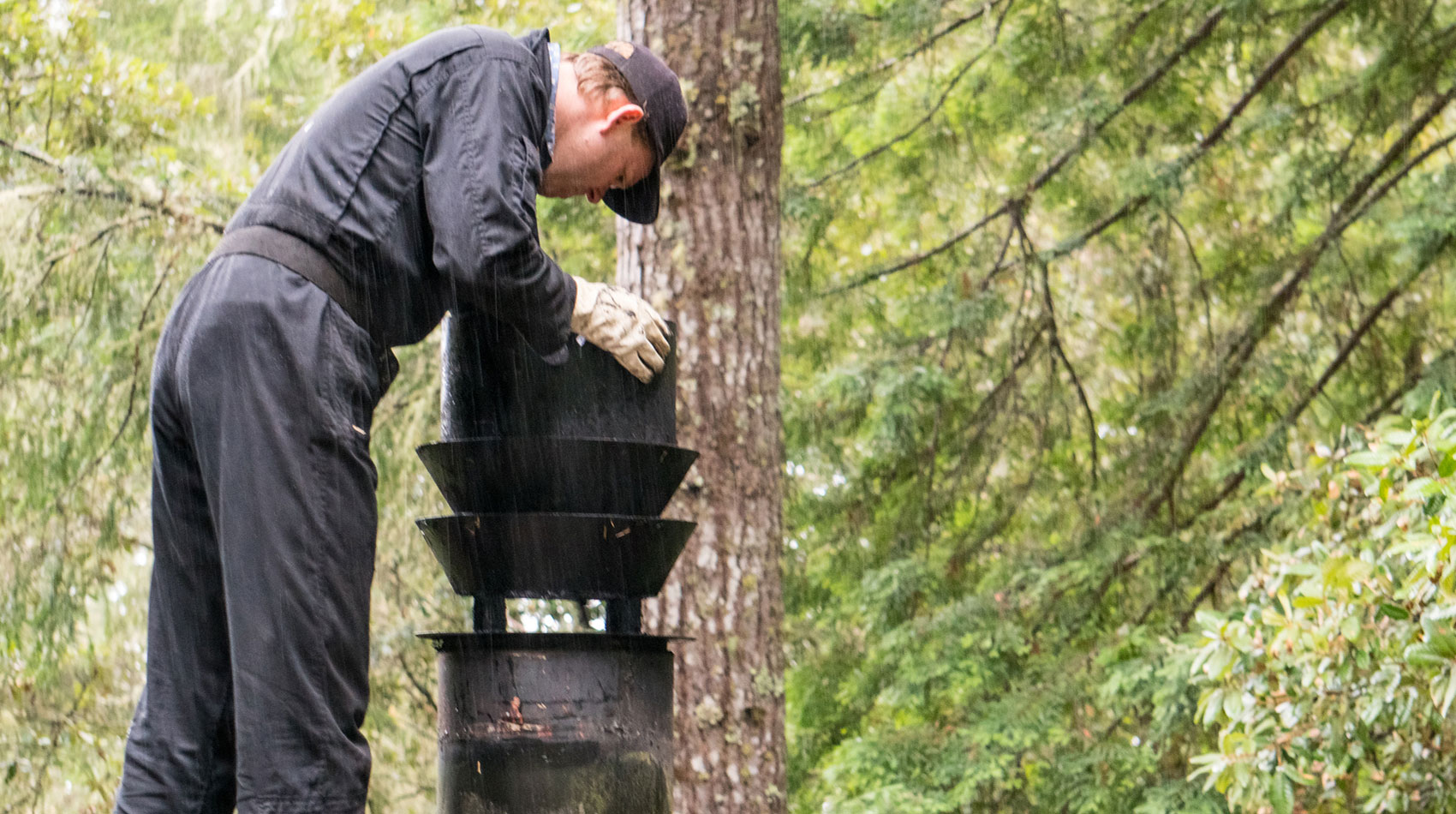
Plan ahead to keep your home safe: before the cold weather moves in, book a certified chimney sweep to inspect and clean your fireplace (yes, chimney sweeps exist and are not just Mary Poppins characters). For your wood-burning fireplace, chimney sweeps remove creosote which is a highly flammable residue that builds up inside your chimney. They’ll also check for blockages, cracks or loose bricks that can let sparks escape and light a fire. Even your gas fireplace needs annual service to check the pilot light, venting and carbon monoxide levels. For gas fireplaces, connect with a certified gas fitter who can test for leaks, service your fireplace and make any necessary repairs.
Best time to get it cleaned: schedule your inspection in the fall, before the first frost arrives, to avoid long wait times once winter descends on us all.
Check your smoke and carbon monoxide detectors
Fireplaces and fuel-burning appliances can produce carbon monoxide (CO), an odorless, colourless gas that's dangerous even when detected. Make sure you have working smoke and CO alarms on every level of your home. You especially want them near your bedrooms and the fireplace. Test your alarms every month and replace the batteries every six months. A CO alarm can save lives, especially during winter when we’re inside our tightly sealed modern homes where the windows are closed up and air circulation is limited.

Use the right fuel
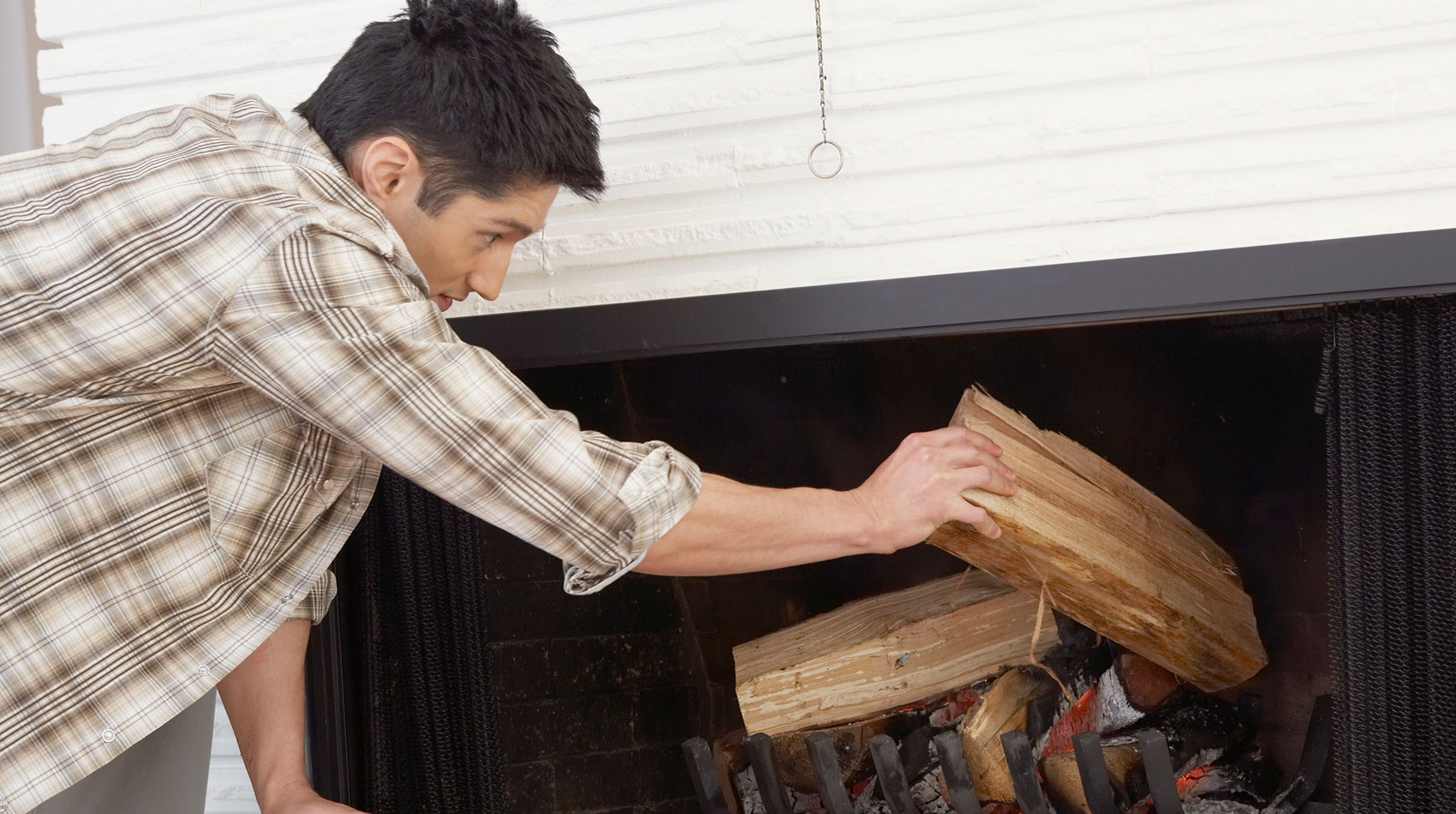
Do you have a wood-burning fireplace? Only use dry, seasoned wood. You want to avoid fresh or damp wood as they create excess smoke and creosote buildup. Plus, don’t burn garbage, cardboard or treated wood, as it can release toxic fumes you’ll breathe right in. Have a gas fireplace? Follow the manufacturer’s instructions to use approved fuels and venting systems. If you use the wrong materials, this could void your warranty and create safety risks.
For residents of Metro Vancouver don’t forget to register your wood-burning devices! This bylaw is part of a phased approach to lower emissions from residential wood burning.
Keep flammable items away
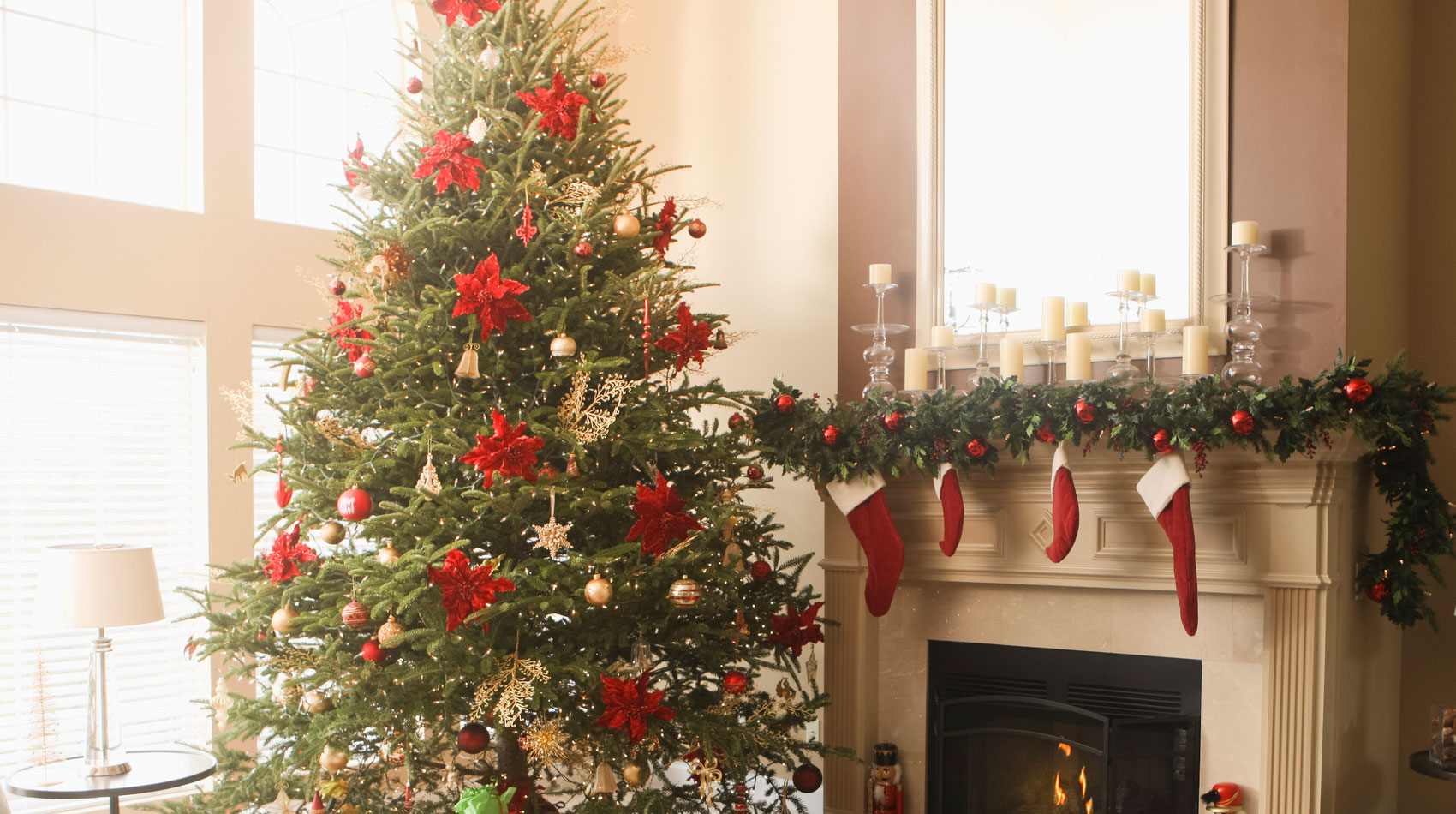
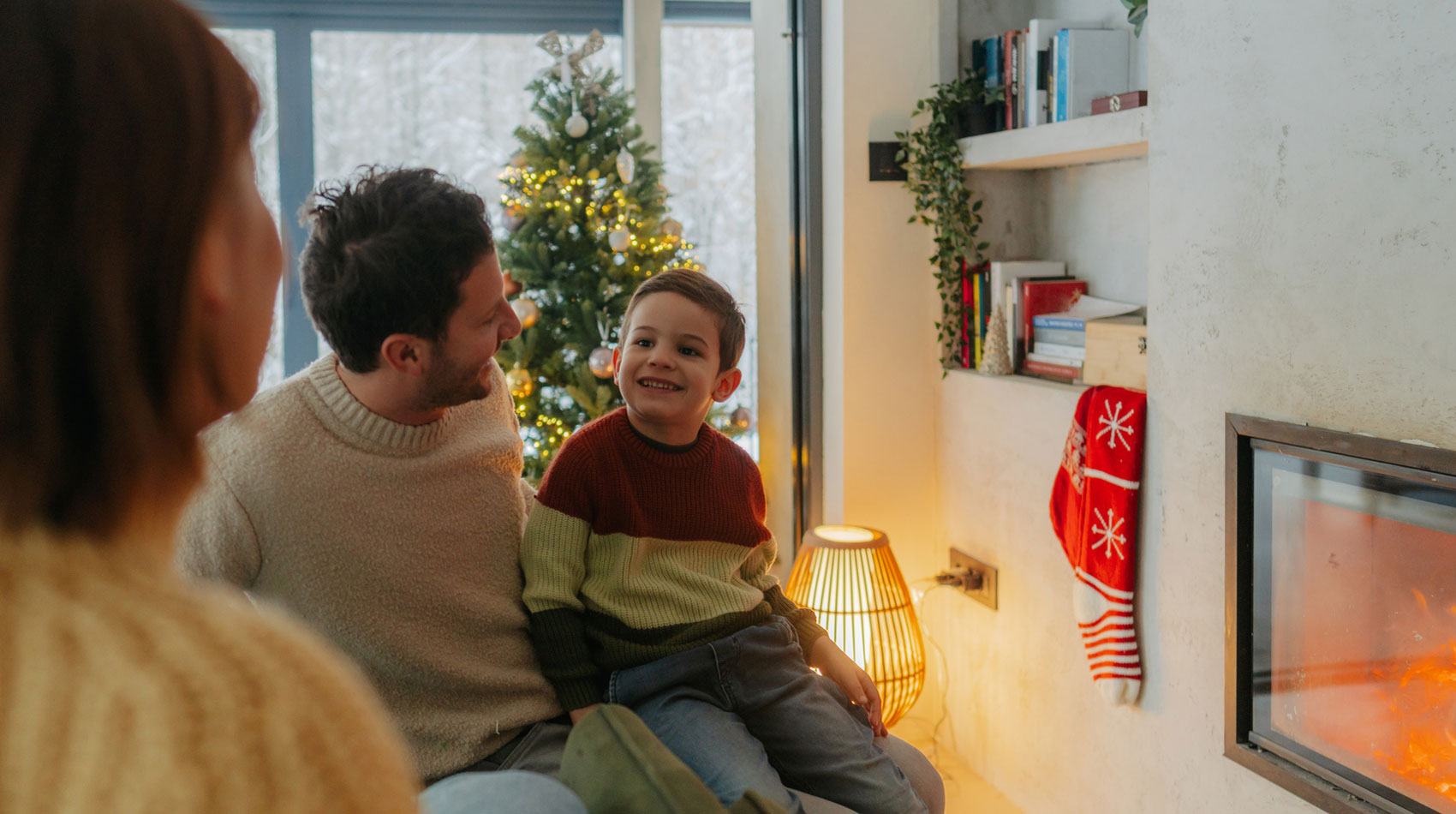
Make sure your cozy rugs and holiday decorations don’t get too close to your hearth or hang low in front of the fire. Keep anything flammable (e.g., furniture, décor, drapes, kindling) at least one meter away from your fireplace. During the holiday season, hang your stockings somewhere safe and keep them well away from lit candles. If you can, consider swapping your wax candles for battery-powered candles that look just as festive without the fire danger.
Install a glass or screen door on your fireplace
You want to keep the fire inside the fireplace. A sturdy mesh screen or tempered glass door prevents embers from escaping and doing damage, and protects your children and pets from getting too close to the flames. A mesh/glass door also helps contain sparks when you’re adding or adjusting logs. You definitely want to pick a screen that fits snugly and always close the screen before you leave the room.
Never leave your fire unattended
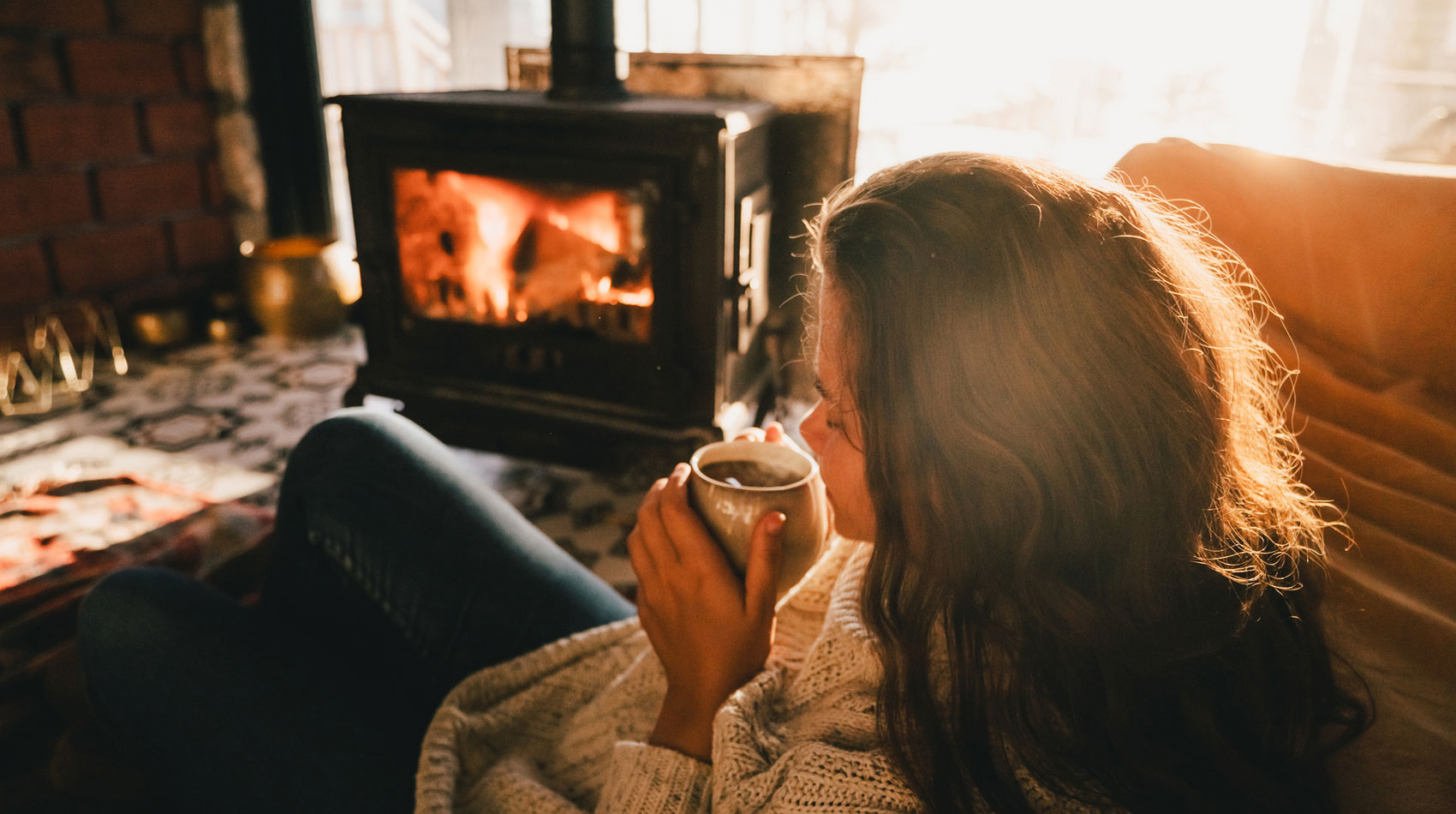
Ready to head to bed? Need to step out for groceries? Don’t leave your fire burning…make sure it’s completely extinguished before you leave the room. Hot embers can reignite even hours later. And if you have a gas fireplace, switch off your pilot light if you’re leaving for days or going on vacation.
Safely dispose of your ashes
Ready to clear out the ash pile? Store cool ashes in a metal container with a tight lid and put it outside and away from your home, garage or wood deck. And don’t mix the ashes with household garbage, as hidden embers could reignite. Once the ashes have cooled for at least one week, check in with your municipality to find out their guidelines for ash disposal.
Check for drafts or odours
If you notice smoke backing up into your room, or a strange burning smell, stop using your fireplace and call a professional immediately. These signs could indicate a blockage or venting issue.
Final fire-prevention tips!
Keep fire extinguishers on every level of your home (and near your fireplace and kitchen stove) and make sure everyone in your home knows how to use them. We also recommend you review your home insurance policy,and ensure you have coverage in the event of an accidental fire and smoke damage. Prevention is the best protection, but in the event of the unexpected, BCAA Home Insurance offers protection you can count on. In previous years, BCAA has paid out over 95% of claims related to fire, water, weather and theft*. For holiday-time fireplace safety tips, check out Protect your home during the holidays.

Keep fires in their place
Protect your home from fire and smoke risks with BCAA Home Insurance. You can speak with one of our advisors at 1.888.268.2222 or get a quote online today at bcaa.com/home. BCAA Members save up to 20%. Not a Member? Join today.
Here’s wishing you months of cozy fires ahead!
*From 2022 to 2023, BCAA paid out over 95% of home insurance claims related to fire, water, weather and theft. Past performance is not a guarantee of future results.




 REQUEST SERVICE ONLINE
 Your BCAA Membership card number
 Your current location