


 BCAA Connect
 BCAA BLOG
 TRIP PLANNING
 ABOUT BCAA
 CONTACT US
 Join Email List


Going Electric? Understanding the Costs and Savings
9/15/2026Thinking of switching from gas to electric? Whether it’s to cut down on maintenance costs, help protect our planet or save on gas, it’s important to know the costs and savings of driving electric vehicles.
Here’s our helpful primer on the economics of eco-driving that compares your costs and savings when you plug into electric vehicle (EV) driving.
SAVING: You can access EV incentives and rebates
One of the benefits of going electric is access to incentives that can help reduce upfront costs. While BC's passenger vehicle rebate program is currently paused, there are still savings available through federal incentives and charging rebates.
- Federal Electric Vehicle Affordability Program (EVAP)
The Government of Canada's Electric Vehicle Affordability Program (EVAP) offers incentives for eligible new electric vehicles purchased or leased on or after February 16, 2026. Eligible battery-electric vehicles can receive up to $5,000, while eligible plug-in hybrid vehicles can receive up to $2,500. - CleanBC Go Electric Rebates
While BC's passenger vehicle rebate program is currently paused, rebates are still available for EV charging. Homeowners can receive up to 50% of the cost of purchasing and installing an eligible Level 2 charger (up to $350), while Indigenous households may qualify for enhanced incentives. Additional funding is also available to help multi-unit residential buildings and workplaces install EV charging infrastructure. - Electric insurance savings
Some car insurance providers offer discounts for electric vehicles, making it even more affordable to own one. For example, BCAA Optional Car Insurance provides 5% in savings through its Eco-Friendly Vehicle Discount.
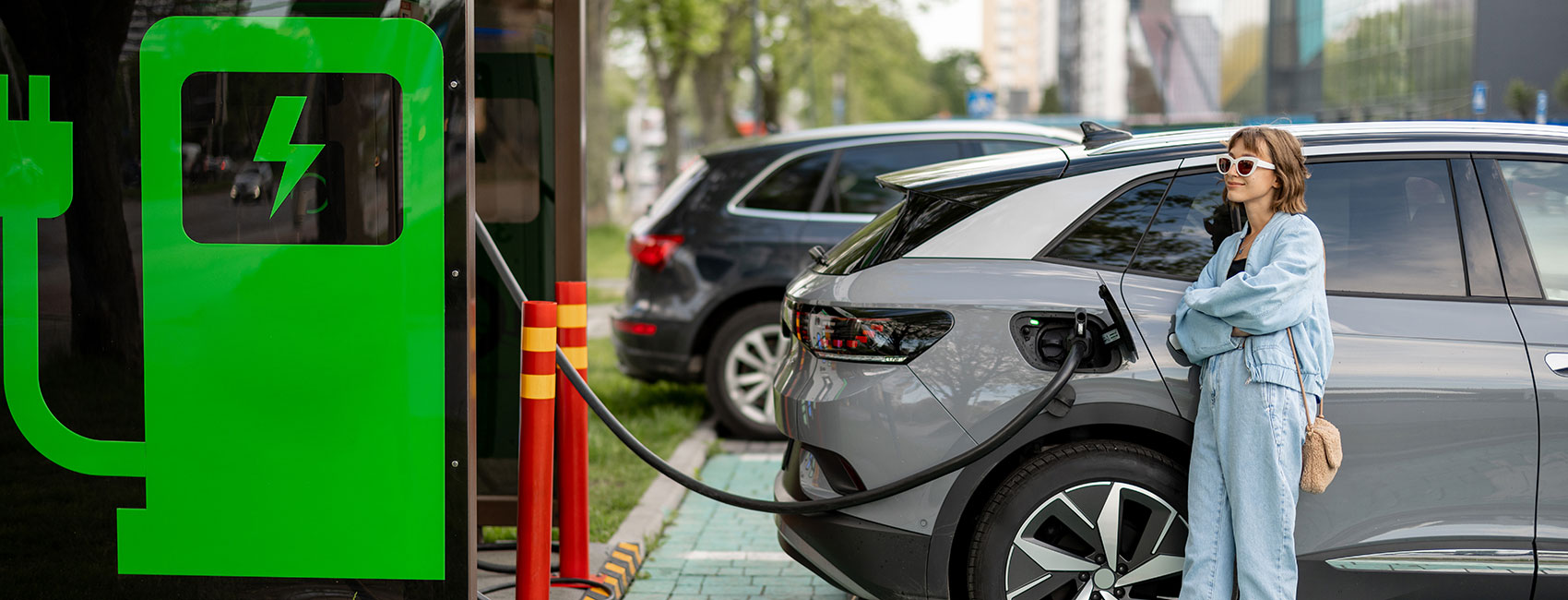
COST: Consider the EV price tag
Although rebates are fantastic, the upfront cost of an EV is typically higher than their fuel-driven counterparts.
- Compact SUV: The Hyundai Kona Electric starts at around $46,000 CAD, while the gas-powered Hyundai Kona starts at around $34,000 CAD.
- SUV: The electric Toyota bZ starts around $49,000 CAD, while the gas-powered Toyota RAV4 Hybrid starts around $40,000 CAD.
- Truck: The Chevrolet Silverado EV starts at around $68,000 CAD, while the gas-powered Chevrolet Silverado starts at around $52,000 CAD.
Yes, the higher cost of EVs can be balanced by the long-term fuel savings (not to mention reducing your greenhouse gas emissions) but that initial cost is an important factor to weigh.
If a new EV is outside your budget, consider exploring the growing used EV market. As more EVs enter the resale market, drivers have access to a wider range of affordable options than ever before. If you're in the market for an EV, check out our BCAA EV Buyer's Guide to compare new models or browse BCAA Auto Marketplace to explore used EV options.
SAVING: Filling your tank versus charging your battery
When you own an EV, charging your vehicle is often less expensive than filling a gas tank. While most public charging stations charge a fee, many drivers do the majority of their charging at home, where electricity costs can be significantly lower than the cost of gasoline. In BC, drivers who opt into BC Hydro's optional time-of-day pricing plan can receive a 5¢/kWh discount for electricity used between 11 p.m. and 7 a.m., while electricity used between 4 p.m. and 9 p.m. is subject to a 5¢/kWh surcharge. For many EV owners, this makes overnight charging the most cost-effective option.
Compare that to trips to the gas station. Over the course of a year, fuel savings can add up quickly, especially for drivers who spend a lot of time on the road. When gasoline prices rise, the savings can be even more significant.
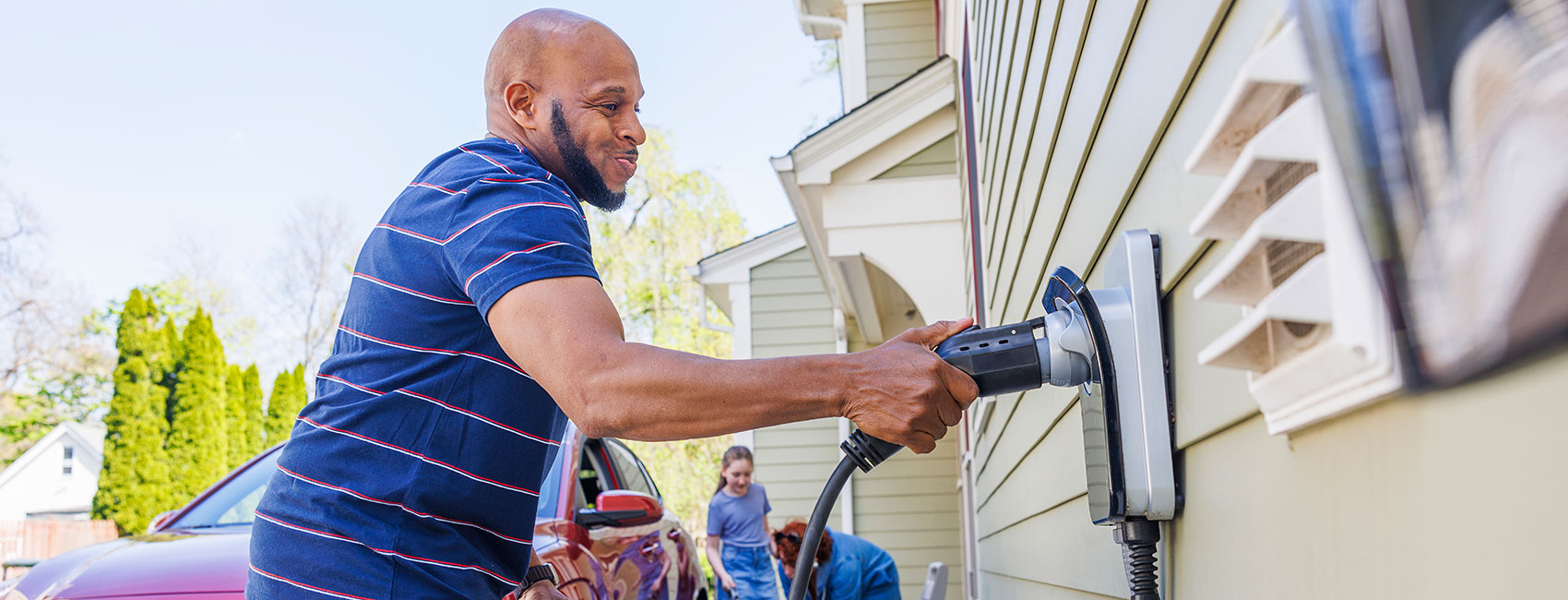
COST: Do you plan on installing a home charger?
Many EV owners are choosing to install home charging stations. If you see value in simply plugging in your ride while you sleep, there’s a cost to consider. Your cost to buy and install a Level 2 home charger ranges from $700 to $2,000 CAD, depending on the model and installation complexity.
According to PlugInBC, drivers who charge their EV at home pay $2-$4 for every 100 kilometres they drive. People who have EV chargers at home, or provided by their strata, can expect to pay $300-$600 a year in electricity costs based on the Canadian annual average mileage of 15,000km.
SAVING: Reduce the cost of maintenance
Routine maintenance is another area where EVs shine. Not only does driving an EV mean no fuel, but there’s no engine in an EV, and no alternators, gaskets, fan belts or exhaust to age, rust or break down.
With fewer moving parts, regular maintenance costs drop significantly when you’re an EV owner. If your EV’s battery, brakes, fluids and tires are in good shape, you’re pretty much good to go. Factor in this saving over your car’s lifetime.
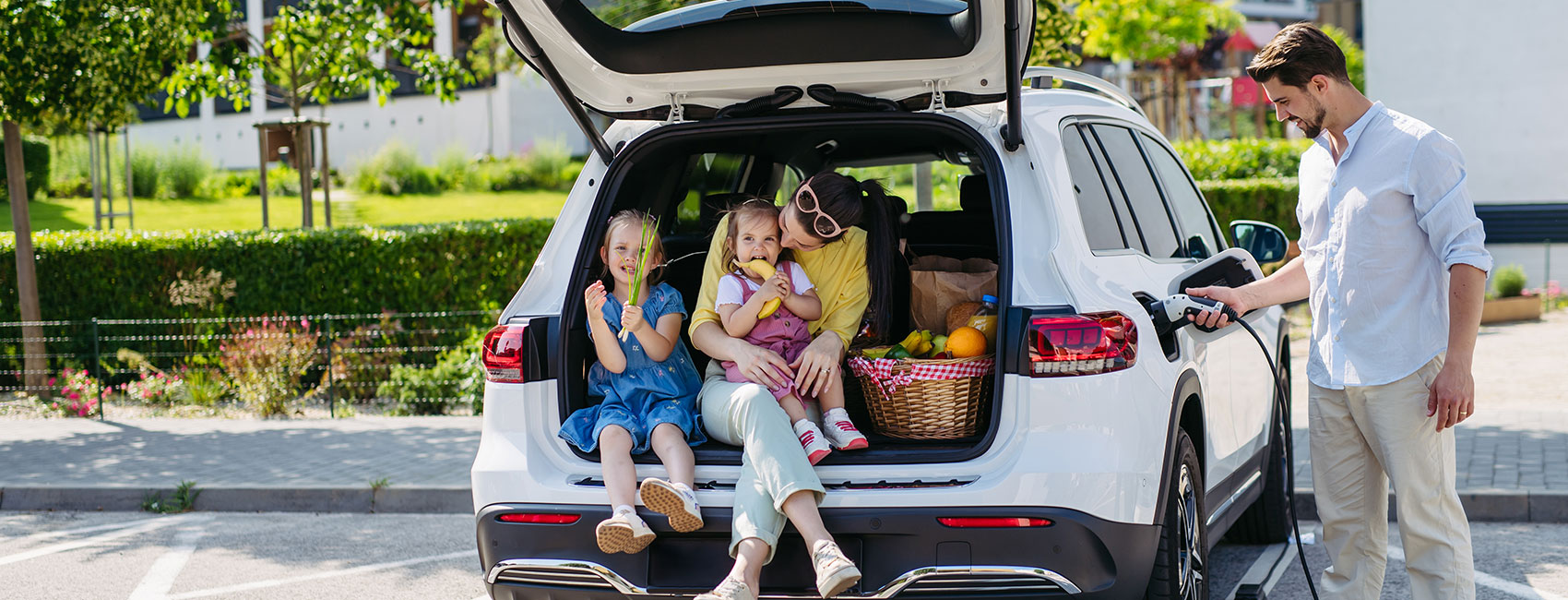
COST: Planning for longer trips
This may not directly be a financial cost, but EV owners may need to be strategic when planning longer road trips. While BC's public charging network continues to grow, charging can take longer than filling a gas tank, particularly when using Level 2 chargers.
Depending on your route, you may need to plan charging stops in advance and allow extra time for recharging along the way. Factors such as charger availability, charging speed and weather conditions can also influence how often you need to stop.
The good news is that there are now roughly 8,900 public charging ports across BC, making EV travel more accessible than ever. To help plan your next adventure, check out our EV road trip guide to travelling around BC.
SAVING: BCAA still has your electric vehicle covered
Whether you’re driving gas, hybrid or EV, you can enjoy BCAA’s Roadside Assistance as part of your BCAA Membership.
Get electrifying savings and roadside assistance
At BCAA, we're committed to helping you drive in eco-friendly vehicles — in addition to the Best Roadside Assistance and savings with hundreds of rewards partners. Not a BCAA Member? Join today!





 REQUEST SERVICE ONLINE
 Your BCAA Membership card number
 Your current location